In 2021, Mutehekau Shipu (Magpie River) in Quebec became the first non-human natural entity in Canada to be deemed a person in the eyes of the law. Through a joint resolution passed by the Innu Council of Ekuanitshit and the Minganie Regional County Municipality, the river was granted nine fundamental rights, including the right to live and be free of pollution. Should these rights be threatened, they can work as a basis to take legal action to prevent harm.
This progression in the Canadian legal system follows a shift in the dominant legal paradigm around the world, known as the Rights of Nature doctrine, emerging in legislation, court cases and constitutional amendments. Through granting rights or legal personhood, non-human, natural entities may become actors within the legal system, gaining a voice through a guardian speaking on their behalf.
This doctrine presents an alternative approach to relating to nature to the Anthropocentric conceptions that see humans as separate and superior, and have driven environmental destruction. It can be understood as a reflection of Indigenous legal orders in colonial legal systems, including aligning with some guiding principles of Nuu-chah-nulth law, including heshook-ish tsawalk (everything is one), iisaak (respect for all) and uuathluk (taking care of). Yet, it is important to recognize that this movement takes place largely within the colonial legal system, and must therefore work alongside Indigenous law and management practices to continue to breathe life into these legal orders.
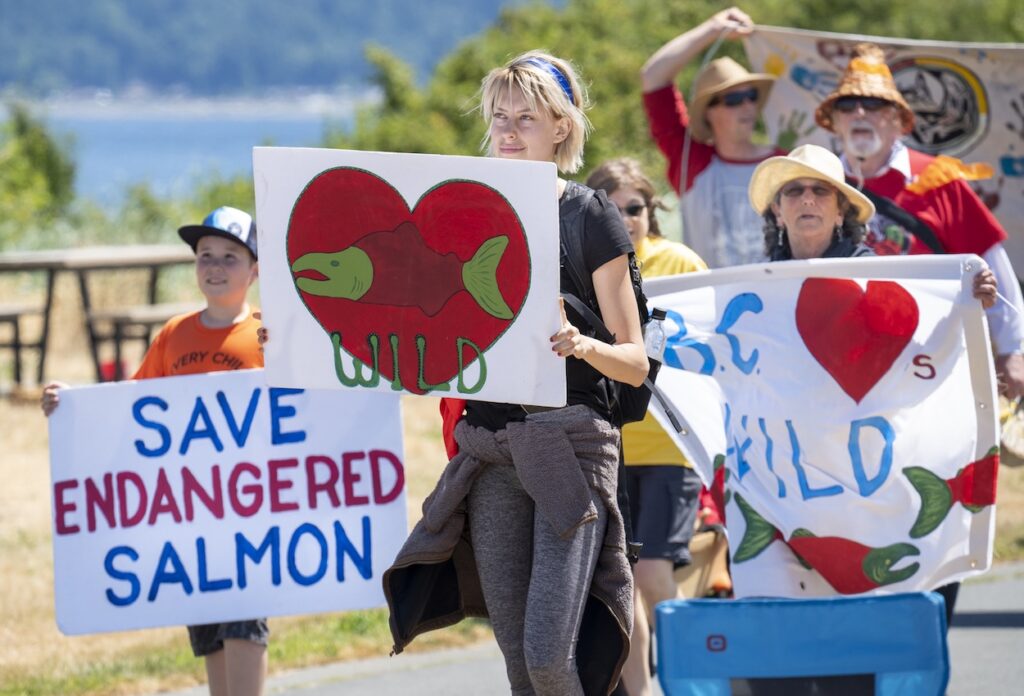
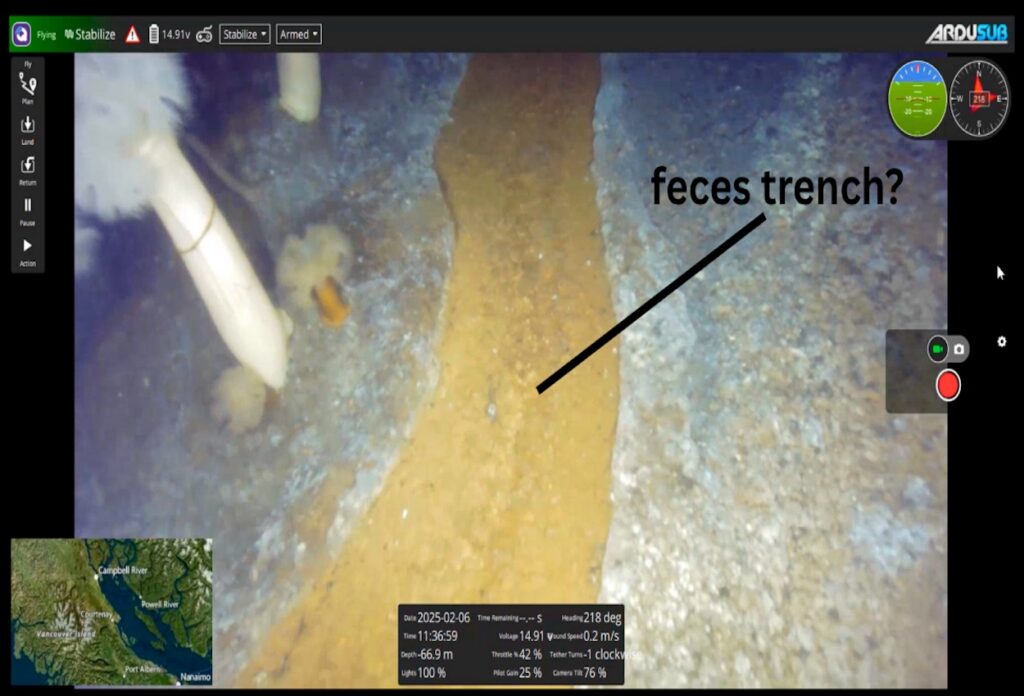
In the case of the Mutehekau Shipu (Magpie River), this legal status may protect the river from the looming threat of hydroelectric development. With similar threats posed in Clayoquot Sound by salmon farming and mining, this legal tool as the potential to protect the species, rivers, and forests that are loved here.
To learn more about the Rights of Nature legal movement and its potential to protect Clayoquot Sound, read our new report or tune in to our free webinar on March 18th.
Nicole Grant (she/her) is a second-year law student at the Schulich School of Law at Dalhousie University with a specialization in Environmental Law. She moved east to west to work with Clayoquot Action as an intern in 2025, developing this report on the Rights of Nature in Clayoquot Sound. She enjoys spending as much time as possible in nature and aspires to protect what she loves through her work.
Read the report HERE.
Watch the webinar recording HERE.